
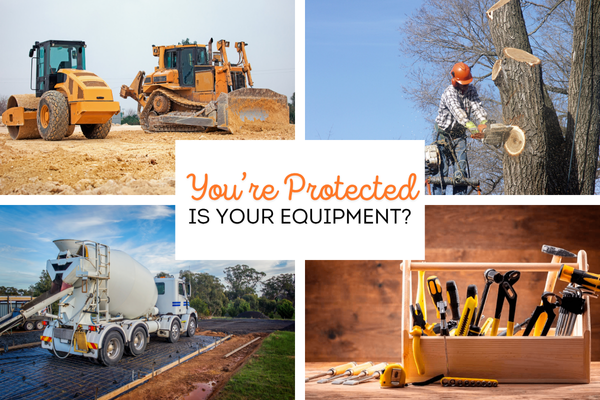
Your tools, machinery, and vehicles aren’t just assets—they’re what you rely on daily to deliver quality work and earn income. Heavy equipment (like backhoes or excavators) can cost tens or even hundreds of thousands, while hand and power tools add up quickly. Losing them threatens not only project schedules but your reputation too.
For example, construction equipment theft in the U.S. totals over $1 billion annually, and recovery rates are discouragingly low—tools often vanish forever.
Also known as “contractor’s equipment insurance” under inland marine policies, this coverage typically includes:
- Theft & vandalism — At any job site or in transit
- Accidental damage — Drop damage, collision in vans, fire, weather events
- Transit coverage — Protects gear being moved between sites
- Leased/rented equipment — Often covered as if it were owned
It doesn’t typically cover normal wear and tear, mechanical breakdown due to lack of maintenance, mold, or insect damage
Without proper coverage, contractors face costly setbacks:
- Theft/Vandalism
Open job sites are easy targets, and a stolen excavator can halt a project for weeks while replacement funds are sourced. - Breakdown & Damage
Accidents like dropping a tool or running over equipment with a vehicle can result in costly downtime. Repairing or replacing gear keeps you on schedule. - Natural disasters
Floods, storms, and fires can harm equipment left on-site. Coverage provides swift replacement to avoid project delays. - Legal liabilities
If damaged equipment causes injury or property damage, you may face lawsuits—not just repair bills.
Smart Steps to Secure Your Equipment Protection
- Inventory & value
List tools, machinery, make/model, serial numbers—tag values and choose scheduled or blanket limits. - Choose replacement-cost when possible
Ideal if gear depreciates quickly or is leased—reduces cash out-of-pocket. - Add necessary endorsements
Include extras like rental reimbursement, pollution liability, or boom coverage as needed. - Request a Certificate of Insurance (COI)
Show clients or leasing firms you’re insured for gear protection too. - Review & update regularly
Add new tools and adjust values quarterly or yearly to maintain coverage accuracy. - Practice loss prevention
Lock equipment, mark serials, and use location tracking to reduce theft risk and claims frequency.
Tools and equipment aren’t just possessions—they’re foundational to your business operations and income. Without proper inland marine coverage:
- You risk major financial losses
- Face potential legal liabilities
- Can lose hours, days, or weeks due to replacements
Proper equipment insurance offers:
- Theft, damage, and transit protection
- Continuity with replacement-cost benefits
- Legal safety nets and contractual credibility
Don’t let gear loss derail your business. Contact Contractors Insurance Agency and let’s review your equipment inventory, set up the right inland marine coverage, and ensure you’re fully protected—so you can focus on building, not replacing.